- YouTube Refines Search Filters, Adding Shorts Option and New Labels [1]
YouTube has begun rolling out a set of updates to its Search filters aimed at making results easier to refine and “more intuitive” for everyday use. While the changes are not a full redesign of Search, they adjust key filter labels, remove a couple of options, and introduce a clearer way to separate Shorts from long-form videos, an area that has increasingly affected how people navigate results. [1]
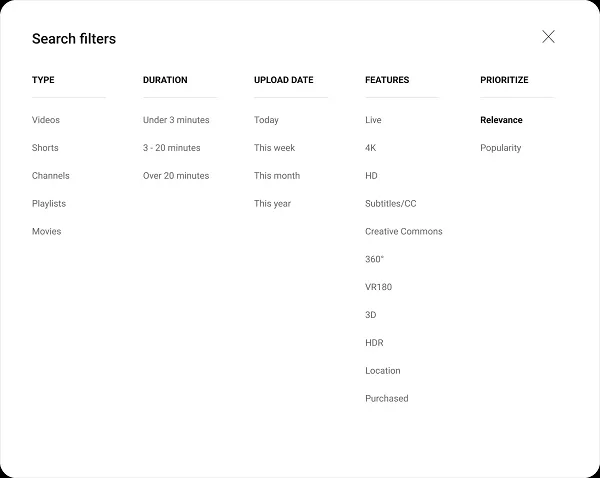
What Changed in YouTube Search Filters
The update introduces several visible adjustments inside the Search “Filters” menu:
- New Shorts filter under “Type”
Users can now filter search results specifically for Shorts (or long-form “Videos”), reducing the common issue of mixed formats appearing in a single results list. - “Sort by” renamed to “Prioritize”
YouTube renamed the menu label from Sort by to Prioritize, positioning these options as relevance-focused ranking choices rather than strict sorting tools. - “View count” renamed to “Popularity” (with broader signals)
The former View count option is now labeled Popularity, and YouTube indicates this ranking will consider additional relevance signals such as watch time, not only raw views. - Removal of two filters
YouTube removed: Upload Date – Last Hour, Sort by Rating.The company cited that these options “were not working as expected” and had contributed to user complaints.
Why This Matters
From a usability perspective, the changes reflect how YouTube search behavior has evolved:
- Short-form growth has changed discovery patterns. A dedicated Shorts filter makes it easier for users to search with intent, either for quick, vertical clips or for longer content. [2]
- Ranking language is being reframed. “Prioritize” and “Popularity” suggest YouTube wants users to think in terms of relevance and satisfaction signals, not purely chronological or metric-based sorting.
- Removal of “Last Hour” and “Rating” reduces niche filtering. This may simplify the interface, but it also reduces precision for users who relied on those options for time-sensitive browsing or quality cues.
Potential Impact for Creators and Publishers
These filter updates can subtly affect content visibility:
- Shorts creators may benefit from clearer discovery routes when users explicitly seek Shorts.
- Long-form creators may regain clarity when viewers exclude Shorts and search only for Videos.
- Optimization focus may shift toward signals tied to “Popularity” (e.g., watch time and relevance), rather than relying on a single metric like views.
Practical Notes for Users
For more controlled searches, users can:
- Choose Type → Shorts or Type → Videos to separate formats.
- Use Upload Date options like Today / This week / This month (since Last Hour is removed). [3]
- Use Prioritize → Popularity to surface widely watched and strongly retained videos for a query.
In conclusion, YouTube’s update to its Search filters focuses on making search results easier to refine and more consistent. By adding a clearer way to separate Shorts and long-form videos, renaming sorting options to better reflect how results are prioritized, and removing filters that did not work as intended, the platform is aiming to improve overall search usability for users while supporting more accurate content discovery.
IB : SocialMediaToday[1], YoutubeFilterSource[2], YouTubeRollingOutSearch[3]
- YouTube Adds More Protections for Teen Users [1]
YouTube has announced a new set of updates designed to strengthen protections for teen users and give parents clearer control over how their children use the platform. The changes focus on limiting potentially addictive viewing behaviors, simplifying supervised account management, and encouraging higher-quality content experiences for teens.
What’s New in the Update
1) Shorts Feed time limit for teen accounts
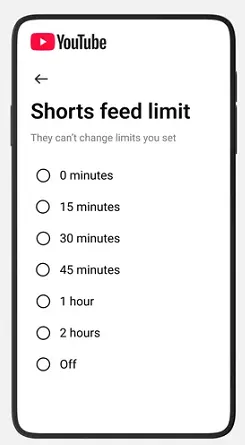
YouTube is introducing a “Shorts Feed Limit” within parental controls, allowing parents to set how long teens can scroll Shorts. YouTube also notes that an option to set the timer to zero will be added soon, giving families more flexibility depending on the situation (for example, limiting Shorts during study time). [1]
2) More mindful viewing prompts
In addition to Shorts limits, YouTube says supervised accounts will support more customizable reminders, including Bedtime and Take a Break, building on existing wellbeing protections for teens. [2]
3) Easier sign-up and switching between family accounts
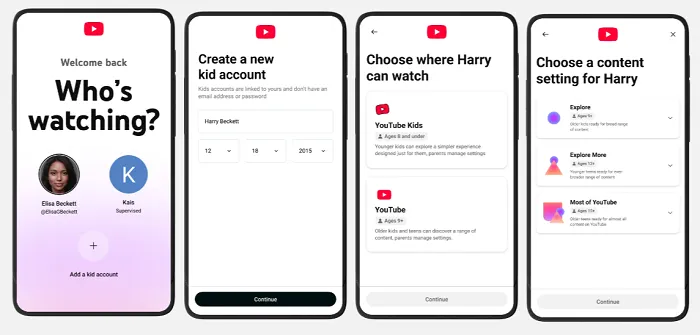
YouTube is also rolling out an updated sign-up and sign-in flow intended to make it simpler for parents to create accounts for kids and switch between profiles in the mobile app similar to the way streaming platforms handle household profiles. This is meant to help parents ensure the right settings are applied to the right viewer. [3]
4) New principles and guidance for “high-quality” teen content
Beyond controls, YouTube is introducing new principles and a creator guide intended to steer teens toward content that is more age-appropriate, enriching, and higher quality. The company says these principles were developed with input from its Youth Advisory Committee and supported by organizations such as the American Psychological Associationand the Digital Wellness Lab at Boston Children’s Hospital, among others. [4]
These updates signal YouTube’s intent to address youth safety concerns through in-platform supervision tools rather than restricting teen access altogether. With Shorts now central to viewing habits, tools that separate and limit short-form scrolling are positioned as a direct response to concerns about excessive screen time.
Overall, YouTube’s latest teen safety package strengthens parental oversight in practical ways, especially around Shorts, while also pushing for a healthier teen viewing environment through clearer content standards and creator guidance.
IB : SocialMediaToday[1], Teens&FamiliesScreenYT[2], FamilySafetyonYTscreen[3], ParentalControlYT[4]
- YouTube Adds More Promote Targeting Options, Image-To-Video AI [1]
YouTube has announced two product updates aimed at helping creators both reach the right audience and produce short-form content faster. The platform is adding interest-based targeting to its in-app Promote boosting flow, and piloting a new AI-assisted format called “Ingredients” that turns still images and prompts into short video clips for Shorts. [1]
1) Promote Adds Interest Targeting
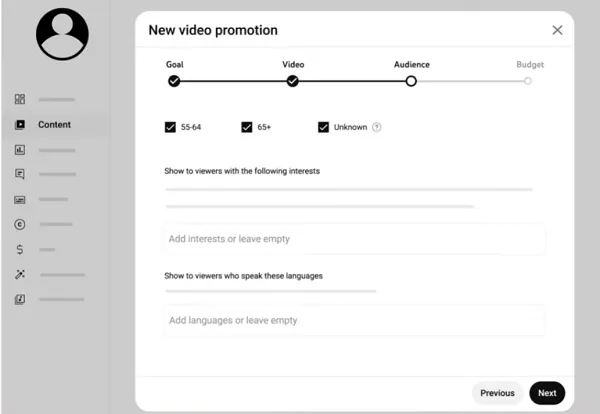
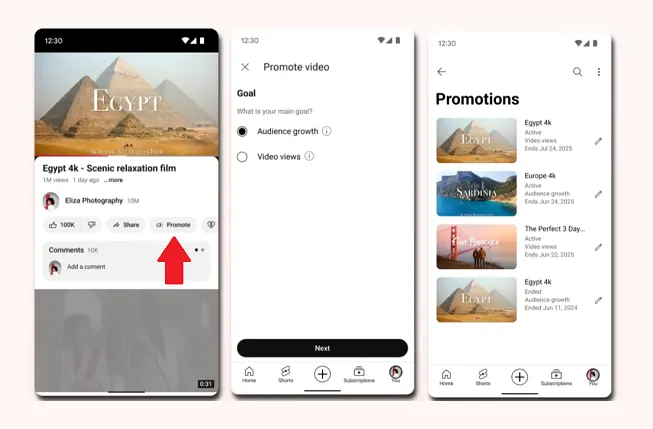
Promote is YouTube’s simplified promotion feature in YouTube Studio that lets creators boost a video without building a full campaign in Google Ads. It provides a guided setup designed to drive more views and engagement. [2]
What’s changing: YouTube is introducing interest targeting, allowing creators to promote content to viewers based on interest communities, examples mentioned include audiences such as gamers, beauty enthusiasts, and travel fans.
Availability: Interest targeting is currently available when setting up a promotion on desktop, with YouTube indicating it will be added to the mobile app later.
Why it matters: Until now, Promote has leaned on basic audience qualifiers and automated delivery. YouTube’s own Promote help documentation references setting targeting such as language, country, age, and gender, with YouTube optimizing delivery toward people most likely to engage. Adding interests gives creators a clearer way to reach niche communities and test content-market fit faster, especially useful for newer channels trying to build early traction. [2]
2) “Ingredients” Turns Images Into Short Video Clips
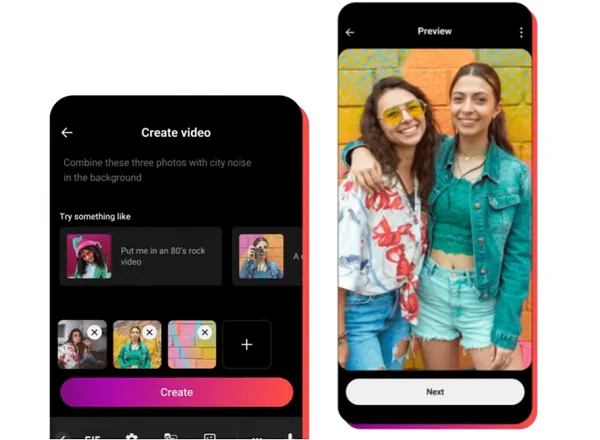
On the creation side, YouTube is also testing a new AI-driven option called “Ingredients.” The feature enables users to select up to three images and combine them into an 8-second video clip, with sound as an optional add-on.
YouTube positions this as a tool for turning static visuals into short, shareable stories particularly relevant to Shorts workflows where creators often need quick output.
3) Connection to Veo and YouTube’s Existing AI Creation Tools
The Ingredients test is tied to the broader rollout of Google’s Veo video generation models inside YouTube’s creation ecosystem. Social Media Today notes the feature is part of the expanding Veo 3.1 integration in YouTube.
Separately, YouTube has already been rolling out Shorts creation tools that convert photos into video and introduce generative effects, and it states that AI-generated outputs include SynthID watermarks and clear labels. [3]
Google’s Veo 3.1 updates also emphasize improved consistency with reference images and support for native vertical (9:16) outputs a key requirement for Shorts-style publishing. [4]
Overall, these updates strengthen two ends of the creator pipeline: distribution and production. Interest-based targeting within Promote can help creators run more focused boosts toward relevant communities, while the Ingredients pilot points to a faster path for generating Shorts-ready clips from existing images and simple prompts.
IB : SocialMediaToday[1], ManagePromotiononYT[2], YTcreationTools[3], Google’sVeo[4]